Everything You Need to Know About Body Contouring Farmington Hills
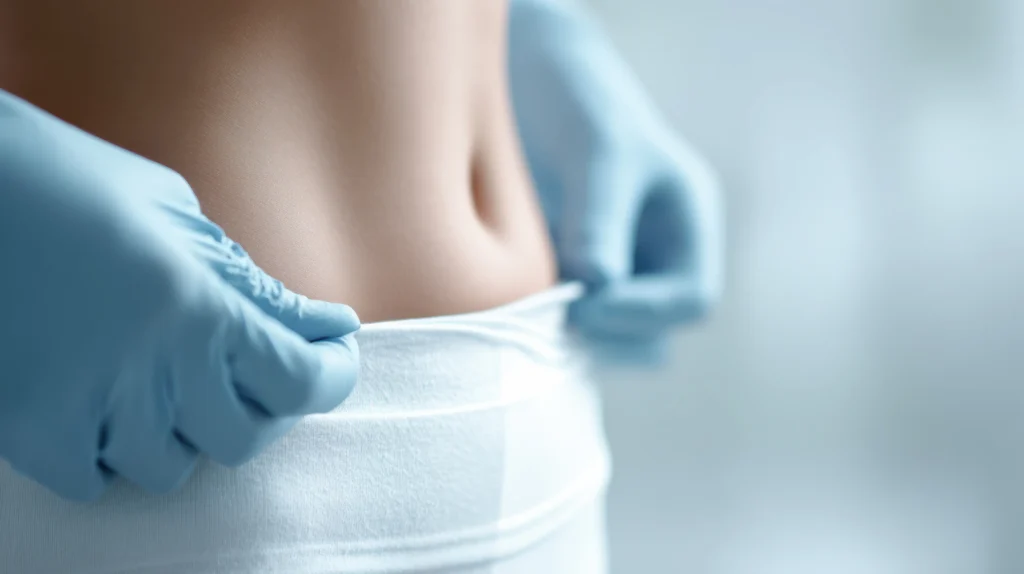
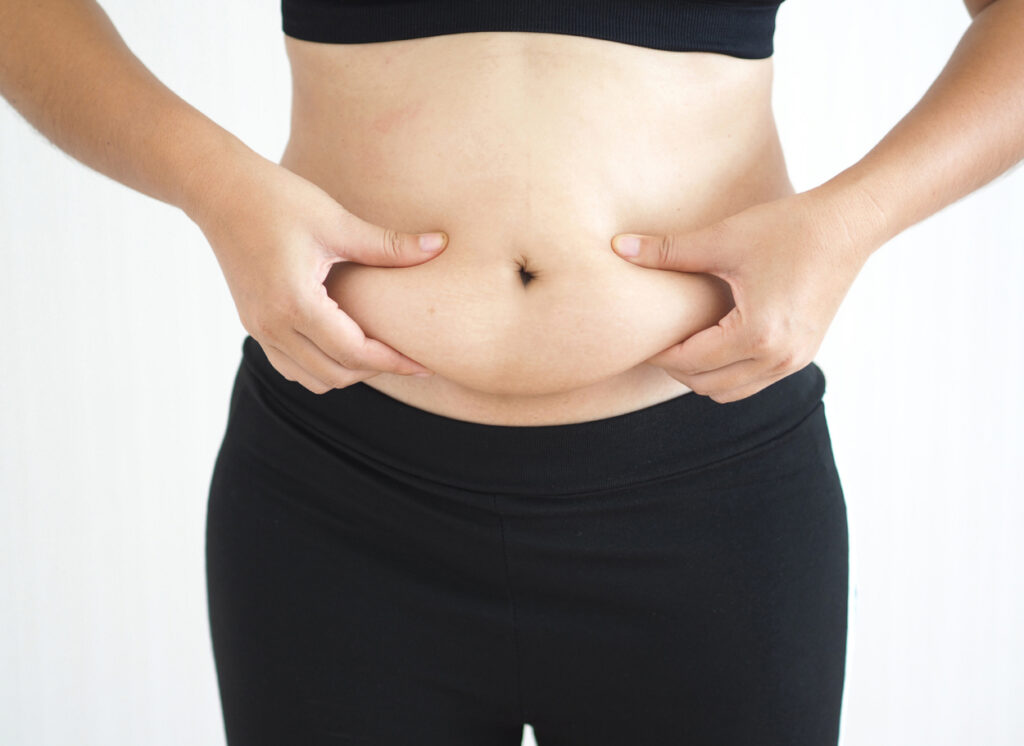
Body contouring has become one of the most requested aesthetic services for a simple reason: many people do the hard work of improving their health and still find that certain areas refuse to change. A patient may lose 20, 40, or 80 pounds and still feel frustrated by fullness around the abdomen, softness beneath the chin, or a lack of definition through the waistline. Others are already near their goal weight but want a more sculpted shape than diet and exercise alone can deliver.
That is usually where the conversation around Body Contouring Farmington Hills begins. Not with vanity in the shallow sense, but with proportion, confidence, and the desire to feel that your reflection finally matches your effort. In practice, body contouring can mean several different things. It may refer to non-surgical treatments that reduce small pockets of fat, tighten skin, or improve contour with little downtime. It can also refer to surgical procedures designed to remove excess skin and reshape the body more dramatically.
If you are considering body contouring in Farmington Hills, the most important first step is understanding what these treatments can and cannot do. Good candidates often get excellent results. Poor candidates, or patients with unrealistic expectations, tend to feel disappointed even when the procedure itself is technically successful. The difference usually comes down to matching the right treatment to the right body and the right goal.
What body contouring actually means
The term sounds straightforward, but it covers a wide range of treatments. In most clinical settings, body contouring refers to techniques used to reshape areas of the body by reducing fat, tightening skin, or improving visible definition. Common treatment zones include the abdomen, flanks, thighs, upper arms, back, buttocks, and under-chin area.
Some patients assume contouring means weight loss. It does not. That misconception causes a lot of confusion. Body contouring is best thought of as a shaping tool, not a substitute for medical weight management or lifestyle change. If someone is looking to lose a significant amount of weight, contouring is usually not the starting point. If they are already relatively stable and want to refine specific areas, that is where contouring tends to shine.
There is also a major distinction between fat reduction and skin tightening. A person can have excess fat, loose skin, poor muscle tone, or a combination of all three. The same abdomen may look very different depending on whether the problem is a pinchable fat layer, stretched skin after pregnancy, separation of abdominal muscles, or all of the above. This is why a proper consultation matters so much. The treatment that works beautifully for one person can be almost useless for another.
Why people in Farmington Hills look into these treatments
In an area like Farmington Hills, patients seeking body contouring are often balancing aesthetics with practical life demands. Many are professionals who cannot take extended time away from work. Others are parents who want improvement but need a recovery plan that fits around family obligations. Some are preparing for weddings, vacations, milestone birthdays, reunions, or simply the private satisfaction of feeling stronger and more comfortable in clothes.
A pattern shows up again and again in consultations. Someone says, “I am healthy overall, but this one area bothers me no matter what I do.” For women, that might be lower abdominal fullness after pregnancy or soft tissue around the bra line. For men, it is often the flanks, lower belly, or chest contour. Patients in their forties and fifties frequently notice another shift: even when body weight has stayed fairly stable, tissue starts behaving differently. Skin loses elasticity. Small pockets of fat become more obvious. Definition through the jawline or waistline softens.
Body contouring appeals because it addresses those local problems directly. The appeal is not just cosmetic. It is psychological. Clothing fits better. Exercise can feel more rewarding. Some patients say the biggest change is not dramatic at all, but subtle, like no longer tugging at a shirt or avoiding certain photos.
The main categories of body contouring
Most body contouring options fall into two broad groups: non-surgical and surgical. Each has a place, and neither is inherently better. The right option depends on anatomy, timing, budget, tolerance for downtime, and the level of change a patient wants.
Non-surgical body contouring
Non-surgical treatments are popular because they typically involve little to no downtime. These options may use cooling, heat, radiofrequency, ultrasound, or injectable agents depending on the target area and the practice offering the service. They are generally aimed at mild to moderate concerns.
A patient with a small lower belly bulge, mild submental fullness under the chin, or modest love handles may do very well with a non-surgical plan. What matters is that the patient has enough skin quality and a realistic understanding of the pace of change. Results are often gradual. Treatments may need to be repeated. Final outcomes can take weeks or months to fully appear.
The strongest non-surgical candidates are close to their baseline weight and looking for refinement, not reinvention. A person wanting a dramatically flatter abdomen after major weight loss usually needs a different conversation, because extra skin does not respond to fat reduction in the way many people hope.
Surgical body contouring
Surgical contouring can create more substantial change. Liposuction removes localized fat more directly and precisely than most non-surgical devices. Procedures such as tummy tuck, arm lift, thigh lift, or lower body lift go further by removing excess skin and tightening tissue. For patients with stretched skin after pregnancy or major weight loss, surgery may be the only route to the result they actually envision.
That said, surgery requires more planning. There is anesthesia to consider, a recovery period, and the reality of scars. Scars can often be placed carefully and tend to fade with time, but they are part of the trade-off. For the right patient, that trade-off is worth it. For others, especially those seeking only modest improvement, non-surgical care feels more appropriate.
The most common treatment areas
The abdomen remains the most requested area by a wide margin. It is also one of the most misunderstood. People often expect one treatment to handle belly fat, skin laxity, and muscle separation all at once. In reality, those are separate issues. Non-surgical fat reduction may help with thickness in the abdominal area, but it will not repair separated muscles. Skin tightening devices may improve mild laxity, but they will not remove a hanging fold of skin.
The flanks are another common target. These side areas can respond well to contouring because even moderate reduction can sharpen the waist noticeably. Upper arms are also popular, especially in patients who feel toned overall but dislike the softness or movement of tissue there. Thighs can be rewarding but require careful treatment planning, since contour changes need to remain natural and balanced with the rest of the leg.
The submental area, the region beneath the chin, deserves https://franciscovvjx885.northvaledigest.com/posts/understanding-the-process-of-body-contouring-farmington-hills mention because it sits at the intersection of body and facial contouring. A smaller jawline treatment can make a person look lighter and more rested, even if body weight has not changed. It is one of those areas where a relatively modest adjustment can have an outsized visual effect.
Who tends to be a good candidate
The best candidates share a few practical traits. They are usually at or near a stable weight, generally healthy, and clear about what bothers them. They also understand that contouring is about improvement, not perfection.
A consultation often goes well when a patient can say something specific, such as, “My weight has been stable for a year, but I still have fullness at my lower abdomen and sides,” or “After having children, my stomach skin never tightened back up.” That level of clarity helps determine whether the issue is excess fat, laxity, muscle change, or a combination.
On the other hand, caution is warranted when someone is actively losing a large amount of weight, planning a pregnancy soon, or expecting a contouring treatment to replace foundational habits. Significant weight fluctuation after treatment can compromise the result. Smoking, certain medical conditions, and some medications may also affect candidacy, especially for surgical procedures.
What a real consultation should cover
A worthwhile consultation is never just a sales pitch. It should involve an honest assessment of the body area, skin quality, medical history, and expected outcome. If the provider spends five minutes glancing at the area and promising dramatic changes without discussing limitations, that is a red flag.
A careful consultation usually covers skin elasticity, fat distribution, prior surgeries, scarring tendencies, and recovery demands. It should also address timing. Some patients want to look better in six weeks for an event. Others are willing to take several months for a more complete transformation. Those timelines matter because they influence what is realistic.
Questions worth asking include:
- Am I a good candidate for non-surgical treatment, or would surgery fit my anatomy better?
- How many sessions are typically needed for my goal?
- What kind of result is realistic for my body type?
- What downtime, side effects, or restrictions should I plan for?
- If I do nothing else besides this treatment, what level of change should I expect?
Those questions often reveal the quality of the provider’s judgment. Experienced clinicians rarely overpromise. They tend to be straightforward, even if that means telling a patient that a less expensive or less invasive option will not produce the look they want.
The difference between visible improvement and dramatic transformation
This distinction matters more than many people realize. Non-surgical body contouring can create visible improvement, especially in clothing fit and silhouette. It may reduce a bulge, smooth a transition, or add definition. What it usually does not do is create the kind of dramatic before-and-after result that surgery can sometimes achieve.
That does not mean non-surgical care is weak or ineffective. It simply means the scale of change is different. A patient who expects a 15 to 25 percent improvement in a focused area may be thrilled. A patient expecting a completely flat abdomen after one session will almost certainly be disappointed.
Surgical contouring can create stronger transformation, but even then, results vary based on baseline anatomy. A person with thick skin, internal fat, and limited waist indentation will not look like someone who naturally carries weight differently. Good surgery improves your own shape. It does not swap your body for someone else’s.
Recovery, downtime, and the realities patients often underestimate
People usually focus on the treatment itself, but recovery often determines whether the overall experience feels manageable. For non-surgical treatments, downtime is typically minimal. There may be swelling, temporary tenderness, numbness, bruising, or a strange “worked over” sensation depending on the technology used. Most patients return to normal activity quickly.
Surgical recovery requires more respect. Even a procedure that sounds routine, such as liposuction, can involve soreness, swelling, compression garments, activity restrictions, and a longer settling period than patients expect. Tummy tuck recovery is more involved still. Early healing may take a couple of weeks, but swelling and tissue maturation can continue for months.
One recurring issue is event-based planning. Patients frequently want treatment too close to a vacation, wedding, or holiday. The body does not always cooperate with that timeline. Swelling lingers. Garments need to be worn. Final definition may not show up when hoped. It is usually better to plan earlier than feels necessary.
Cost, value, and what drives pricing
Pricing for Body Contouring Farmington Hills varies widely because the term covers so many different procedures. Non-surgical treatments are often priced per session, per applicator, or per body area. Surgical procedures may include surgeon fees, facility fees, anesthesia, garments, and follow-up care.
The lowest quote is not automatically the best value. Two clinics may advertise the same category of treatment while offering very different levels of expertise, assessment, technology, and follow-through. A bargain treatment that does little, or that is poorly matched to the patient, is not a bargain at all.
Patients sometimes spend more in the long run by pursuing repeated low-impact treatments for a problem that really called for a surgical correction. On the other hand, some people pay for surgery when a less invasive option would have been entirely adequate for their goals. The best value comes from getting the right intervention the first time.
Skin quality changes everything
If there is one factor patients tend to underestimate, it is skin. Skin elasticity can make an average result look excellent, or limit what even a good treatment can accomplish. Younger patients, or those with naturally resilient skin, often see smoother contour after fat reduction. Patients with significant laxity may notice less pleasing results if volume is reduced but the skin does not retract well.
This issue comes up often after pregnancy and weight loss. Someone may be relatively slim but still have loose, crepey, or folded abdominal skin. In those cases, non-surgical fat reduction may actually make the looseness more apparent. That does not mean treatment failed. It means the wrong problem was targeted.
A candid provider will talk about this openly. If skin is the main issue, the treatment plan should reflect that. Sometimes the answer is a skin-tightening approach. Sometimes it is surgery. Sometimes the best decision is to wait until weight has been stable long enough to make a smarter choice.
The emotional side of body contouring
People do not always mention this openly, but body contouring sits close to identity. It is common for patients to bring years of frustration into the consult room. A woman may have carried discomfort about her abdomen since childbirth. A man may have been self-conscious about his torso since his twenties. Another patient may have lost a remarkable amount of weight and feel proud, yet still struggle with loose skin that serves as a constant reminder of the past.
These concerns deserve respect, but they also need grounding. Aesthetic treatment can improve shape and confidence. It cannot fix body image in a deeper psychological sense if someone is chasing an impossible standard. The healthiest outcomes tend to happen when patients want improvement for themselves, understand the trade-offs, and are not expecting a new body to solve unrelated emotional pain.
Choosing the right provider in Farmington Hills
Experience matters, but so does judgment. The best provider is not simply the one offering the most devices or the most aggressive marketing. It is the one who evaluates your anatomy carefully, explains realistic options, and is willing to say no when a treatment is not a good fit.
Look for a setting where consultation feels educational rather than rushed. Before-and-after photos can be helpful if they represent actual patients with similar concerns, but photos alone are not enough. You want to know how the provider thinks. Do they distinguish between fat and skin? Do they explain why one treatment is more suitable than another? Do they discuss recovery with specificity, not vague reassurance?
A good practice also makes room for nuance. Some patients should start conservatively. Others are better served by going straight to a definitive procedure. There is no single best treatment for everyone seeking Body Contouring Farmington Hills, because contouring is not one treatment. It is a category of solutions, each with a different purpose and payoff.
Results that last, and how to protect them
Body contouring results can last well when patients maintain a stable lifestyle. Fat cells removed or reduced do not simply reappear overnight, but remaining fat cells can still enlarge with weight gain. Skin can continue to age. Hormonal changes, pregnancy, and shifts in muscle tone can all influence how long a result stays at its best.
The patients happiest years later are usually the ones who treat contouring as a finishing step, not a reset button. They keep an eye on weight trends rather than waiting for a major rebound. They return for maintenance when appropriate. They understand that the body is dynamic, and that preserving a result takes some ongoing ownership.
There is also a practical point here. A stable routine after treatment often feels easier than before, because visible improvement can reinforce healthy habits. When clothes fit better and movement feels better, people tend to stay engaged. That positive feedback loop may be one of the least discussed benefits of successful contouring, but it is very real.
What to keep in mind before moving forward
The most useful mindset is simple: know your goal, know your anatomy, and choose the treatment that honestly fits both. If your concern is a small area of stubborn fat and your skin is firm, non-surgical contouring may be exactly the right choice. If you have significant skin laxity, stretched tissue, or a major post-weight-loss change, surgery may offer a far better path. If your weight is still changing, patience may save you time, money, and disappointment.
Body contouring can be a valuable investment when it is approached with clear expectations and sound medical guidance. It works best for patients who are already doing many things right and want help with the last mile. In that setting, the change can feel deeply satisfying, not because it turns someone into a different person, but because it helps their shape reflect the effort they have already put in.
For anyone researching Body Contouring Farmington Hills, that is the heart of the decision. The goal is not to chase perfection. It is to make an informed choice, based on your body, your timeline, and a provider who is honest enough to tell you what will actually work.
Aesthetic Plastic Surgery & Laser Center, Michelle Hardaway M.D.
Address: 27920 Orchard Lake Rd, Farmington Hills, MI 48334
Phone number: +12482211957
FAQ About Body Contouring Farmington Hills
What does body contouring actually do?
Body contouring (or body sculpting) eliminates stubborn localized fat, tightens loose, sagging skin, and reshapes your silhouette. It is not a weight-loss tool, but rather a cosmetic procedure used to refine and tone specific trouble spots after major weight loss, pregnancy, or aging.
How much does body contouring usually cost?
The total cost of body contouring usually ranges from $2,000 to $25,000+ depending entirely on whether you choose non-surgical sessions or major surgical procedures.
Because "body contouring" covers everything from simple fat-freezing to comprehensive post-weight-loss surgeries, pricing is heavily categorized by the method used.
What is the best type of body contouring?
Liposuction is a huge topic and worth discussing in more detail, but in terms of body contouring and sculpting, nothing does the job better than liposuction, particularly VASER liposuction.